
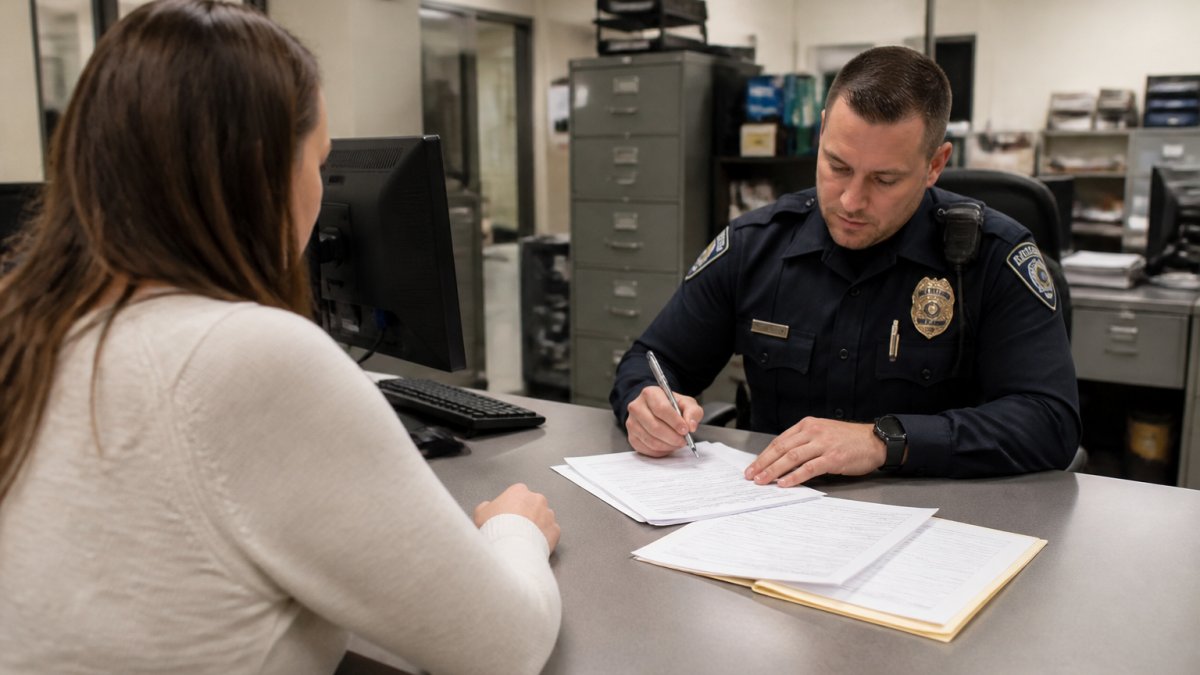
When a crime is reported, law enforcement begins documenting the incident as part of the criminal investigation steps. A police officer takes a detailed statement from the complainant, victim, or witness. This initial report becomes the foundation for the entire investigation. The officer records names, dates, times, locations, and descriptions of what happened. They also note any immediate physical evidence or injuries. Once documented, the case gets assigned to a detective or investigation unit based on the crime's severity and type.
Table of Contents
- Step 1: Initial Report and Case Assignment
- Step 2: Evidence Gathering and Scene Investigation
- Step 3: Witness Interviews and Statement Collection
- What to Do If Police Contact You in Colorado
- Step 4: Suspect Identification and Surveillance
- Step 5: Arrest or Citation and Booking
- How to Find Out If You Have a Warrant in Colorado
- Step 6: Case Referral to the Prosecutor
- Frequently Asked Questions
Last Updated: October 21, 2026
Step 1: Initial Report and Case Assignment
The assignment process matters. Serious felonies go to specialized units. Property crimes might go to a different team. DUI cases, drug offenses, and white-collar crimes each have their own investigative protocols. This early assignment determines which investigator will lead the case forward. A thorough first report prevents gaps that defense attorneys later exploit.
Step 2: Evidence Gathering and Scene Investigation
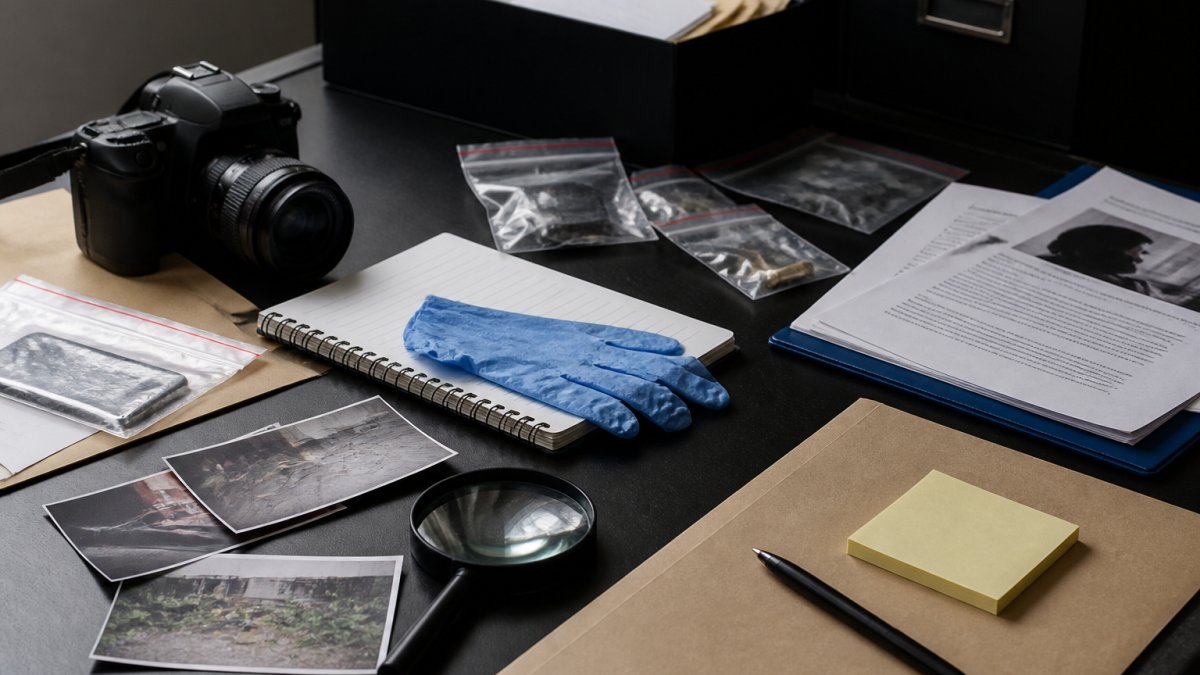
Once assigned, investigators collect physical evidence from the scene. This includes photographs, measurements, and samples. They document the condition of the location, the presence of weapons, drugs, or other relevant items. They may collect DNA evidence, fingerprints, or digital data. The chain of custody, the documented handling of evidence, begins immediately.
Investigators interview people present at the scene. They photograph injuries, property damage, or other physical facts. They may sketch the scene layout or use video recording. In Colorado, specific rules govern how evidence must be collected and preserved. Violations of these procedures can later exclude evidence from trial. This is a critical stage where proper procedure protects your rights.
Evidence gathering also includes obtaining records. Investigators request phone records, financial transactions, surveillance footage, or medical records depending on the crime. They may issue subpoenas for these materials. The scope of what they can request is limited by law, but the limits are often broader than people realize. Understanding what evidence exists, and whether it was legally obtained, becomes essential for your defense.
Step 3: Witness Interviews and Statement Collection
Investigators conduct formal interviews with witnesses. They document what each person saw, heard, or experienced. Witness statements become part of the case file. Some witnesses may be reluctant or hostile. Others may have unclear memories. Investigators assess credibility and consistency. They may conduct follow-up interviews if details change or conflict.
In Colorado, witness interviews follow specific procedures. Investigators must disclose certain information to the defense. They document how they contacted witnesses and what they were told. Video or audio recording of interviews is increasingly common. These recordings protect both the witness and the investigator by creating an objective record.
Witness statements often contain inconsistencies or gaps. Investigators may pressure witnesses to confirm a particular version of events. This is a normal part of investigation, but it raises important questions about reliability. When you're accused of a crime, the quality and consistency of witness testimony can determine your fate. An attorney carefully examines witness statements to identify weaknesses, contradictions, and credibility problems that can be used at trial.
What to Do If Police Contact You in Colorado
If law enforcement contacts you about a criminal investigation, your response matters enormously. Many people believe cooperating fully will help their case. This assumption often backfires. Here's what you should know.
First, you have the right to remain silent. You are not required to answer questions beyond providing your name and identification. Anything you say can be used against you later.
Second, request a lawyer immediately. Say clearly: "I want to speak with an attorney." Once you make this request, police must stop questioning you. They can continue to ask, but you should not answer.
Third, do not consent to searches of your home, vehicle, or person without a warrant. Police may ask permission to search. Consent makes evidence admissible even if a warrant would not have been granted. You can refuse.
Fourth, document everything. Get the officer's name and badge number. Note the date, time, and location of contact. Write down what was said as soon as possible. If witnesses were present, get their information.
Fifth, contact a criminal defense attorney immediately. Do not wait. Do not assume the contact was routine. Early legal representation protects your rights from the moment police first reach out.
Step 4: Suspect Identification and Surveillance
As part of criminal investigation steps, investigators identify suspects through witness descriptions, surveillance footage, forensic evidence, or informant tips. Once a suspect emerges, investigation often intensifies. In Colorado, certain surveillance methods require warrants or court approval (SB26-071 Use of Surveillance Technology by Law Enforcement).
Digital surveillance has become routine. Investigators may monitor social media accounts, email, or phone records. They may use cell-site location information to track a suspect's movement. Warrants are required for some digital searches but not others. Understanding which evidence was legally obtained becomes critical for defense.
Investigators may conduct undercover operations. They may pose as criminals, customers, or associates to gather evidence. They may use confidential informants who wear recording devices. These tactics are legal but regulated. Entrapment, inducing someone to commit a crime they wouldn't otherwise commit, is not legal.
During this phase, investigators build their case. They gather statements, collect evidence, and develop a narrative of what happened. They may conduct lineups or photo arrays to confirm witness identification. They may request the suspect submit to DNA testing or other forensic procedures. Some of these requests require consent; others require warrants or court orders.
Step 5: Arrest or Citation and Booking
Once investigators believe they have sufficient evidence, they move toward arrest or citation. An arrest requires probable cause, a reasonable belief that the person committed the crime. A citation (ticket) is used for lower-level offenses. The choice between arrest and citation depends on the crime's severity, the suspect's criminal history, and department policy.
If arrested, the person is taken into custody and transported to a police station or jail. Booking begins immediately. The person is photographed, fingerprinted, and their personal property is inventoried. They are searched. A record of the arrest is created.
In Colorado, certain procedures must be followed during arrest and booking. The person must be informed of the charges. They must be advised of their rights. They have the right to make a phone call. They have the right to medical attention if injured. Violations of these procedures can affect the admissibility of evidence or statements.
After booking, the person may be held or released pending their first court appearance. The decision depends on bail or bond considerations. Some people are released on their own recognizance (their promise to appear). Others are held without bail because they pose a flight risk or danger.
How to Find Out If You Have a Warrant in Colorado
If you suspect there's a warrant for your arrest, you can search for it. The Colorado Bureau of Investigation maintains records of arrest warrants. You can contact the agency directly to inquire. Many county sheriffs' offices also maintain warrant information.
Online searches are also available. Some Colorado counties provide online warrant searches through their court systems or sheriff websites. These searches are public records. You can search by name and date of birth. If a warrant exists, the search typically shows the case number, the charges, and the amount of bail set.
If you find that a warrant exists, do not ignore it. Arrest warrants do not expire. Law enforcement can execute a warrant at any time, at your home, workplace, or during a traffic stop. The consequences of a warrant being executed unexpectedly are serious. You lose control of the situation.
The better approach is to address the warrant proactively. Contact an attorney. Have your attorney file a motion to recall the warrant or arrange a voluntary surrender. This approach allows you to appear in court on your own terms, with your attorney present, rather than being arrested unexpectedly. An attorney handles warrant situations regularly.
Step 6: Case Referral to the Prosecutor
After investigation is complete, law enforcement refers the case to the prosecutor's office. This referral includes all evidence, witness statements, and investigative reports. The prosecutor reviews the entire file.
The prosecutor's charging decision is not automatic. They must determine whether they have sufficient evidence to prove guilt beyond a reasonable doubt. They consider the strength of evidence, the credibility of witnesses, and the likelihood of conviction.
This is a critical juncture. The prosecutor may decline to prosecute despite law enforcement's investigation. They may charge a lesser offense than what was investigated. They may charge exactly what law enforcement recommends.
The referral to the prosecutor marks the transition from investigation to the criminal justice system. Once the prosecutor becomes involved, the case enters formal legal proceedings. The person accused has the right to an attorney.
At this stage, many people first contact a criminal defense attorney. Early representation during investigation can influence what charges are brought. An attorney can communicate with investigators, provide context, and potentially prevent charges from being filed.
Understanding the steps in a criminal investigation helps you recognize when your rights are at stake. Each stage presents opportunities to protect yourself through proper legal representation.
If you're facing investigation or arrest in Northern Colorado, contact the Law Offices of Robert E. With decades of experience defending clients in Weld County courts, we know how investigations unfold and where defense begins. We work to achieve the strongest possible defense against serious allegations. Contact us today to discuss your case.
Frequently Asked Questions
What are the main steps in a criminal investigation?
A criminal investigation typically follows seven key steps: initial report and case assignment, evidence gathering at the scene, witness interviews, suspect identification and surveillance, arrest or citation, case referral to the prosecutor, and the prosecutorial charging decision. Each step builds on the previous one, and investigators follow established procedures to gather evidence legally and thoroughly before the case moves to the court system.
What should I do if police contact me about a criminal investigation?
If police contact you, remain calm and polite. You have the right to decline to answer questions without an attorney present. Do not consent to searches of your person, vehicle, or home without a warrant. Ask directly, 'Am I free to leave?' If told yes, leave calmly. If told no, you are being detained. Request an attorney immediately and do not answer further questions. Contact a criminal defense attorney as soon as possible to protect your rights during the investigation.
How can I find out if I have a warrant in Colorado?
You can search for active warrants through the Colorado Bureau of Investigation's records services or contact your local police department directly. Many county sheriff's offices maintain searchable warrant databases online. If you believe a warrant may exist, contact a criminal defense attorney before turning yourself in. An attorney can help arrange a voluntary surrender with conditions that protect your rights, rather than facing arrest unexpectedly.
How long does a criminal investigation typically take?
Investigation timelines vary widely depending on case complexity, available evidence, and the number of witnesses. Simple cases may be referred to the prosecutor within days or weeks, while complex investigations involving multiple suspects, forensic analysis, or digital evidence can take months or longer. Factors affecting duration include the severity of the alleged offense, whether the suspect is identified, and the resources available to law enforcement. Your attorney can help you understand realistic timelines for your specific situation.
Can I be charged with a crime without being arrested first?
Yes. Police can issue a citation or summons requiring you to appear in court without making an arrest. The prosecutor can also file charges based on evidence gathered during investigation, and you may be arrested later on a warrant. Not all criminal charges result from immediate arrest at the scene. Understanding whether you have been formally charged, cited, or are still under investigation is critical, an experienced criminal defense attorney can clarify your status and protect your rights at every stage.


